The ground staff at Tokyo Haneda airport, tiny uniformed Lego people from the window of the 767, wave and bob and bow and salute excitedly at our Asahikawa-bound plane like they’re from the 1940’s when families still gathered to wave their handkerchiefs at departing airplanes.
We rise through so many layers of smog-yellow clouds that it feels as though we’re flying through lemon meringue pie, but when, an hour an a half later, we break through them again on the way down, I see a totally unfamiliar landscape. Someone has sliced the very top layer off of the Midwestern United States, big square plots and cows and crops at all, and set it down like a quilt over mostly rolling but occasionally jagged hills. But in the distance, flat-topped volcanoes rise through the misty clouds, and in the even farther distance, the sparkling curve of the ocean appears, a sweeping peninsula cutting into it. As we bank to make our landing, double-peaked Daisetsuzan suddenly rises close on the right, still slightly snowy in July.
The fact that American Airlines’ idea of a vegetarian meal had been white rice with boiled cauliflower on top, along with the fact that I had chosen to go to the Saryo Itoen at Haneda and eat matcha green tea ice cream with red beans and mochi instead of anything resembling an actual dinner, catches up with me in a big way as I ride the bus from Asahikawa airport to downtown. Briefly, I curse my luck arriving so late when there will almost certainly be no restaurants open to feed me, nor energy to sit down and have a meal even if any were, but when I alight I remember – duh – I’m in Japan, where the nearest 7-11 will give me delicious onigiri (rice balls) fit for a queen, and the nearest corner will overflow with drink vending machines.
So, at 9:00pm, munching on delicious cod roe and horseradish wrapped in rice and seaweed with one hand and drinking lemon-flavored coconut water with the other, I navigate the dark, deserted-but-for-the-occasional-businessman-on-a-bicycle streets to my hostel.
Monday, July 24, 2017

Wednesday, July 19, 2017
Have You Tried This Before?
I’ve noticed that many (if not most) of my most enjoyable meals are preceded by a waiter or waitress trying their best to dissuade me from ordering them.
Bún Nước Lèo Sóc Trăng at Sóc Trăng Restaurant: “This soup…a little bit stink.” (while holding nose)
Bún Mắm Nước Lèo Bạc Liêu at Thanh Mai: “Even some Vietnamese people don’t like it.”
Bún Mít Mắm Nêm at Ngự Bình: “This dish, I think, not for you.”
Oc Len Xao Dua at C&C Express: “Uh, you know snail, right?!”
Hột Vịt Lộn at Hột Vịt Lộn Long An : “Egg with BABY.” (Direct, meaningful eye contact.)
Thịt Heo Luộc Cuốn Tôm Chua at Huế Ơi: “The shrimp is fermented! Pickled. If you don’t like it I will replace it for you.” (Later, watching me take – and enjoy – each bite: “Is it OK? I will replace it with something else!”)
Ốc Lá Lốt at Chả Ốc Gia Huy: “You know… we have grilled pork too.”
Lest you think it’s just Vietnamese places warning me about fish sauce, anchovy paste, or some iteration of fermented sea creature:
Udang Sambal Petai at Mutiara: “Have you had this before? Maybe you shouldn’t.” (After pressing for more information: “When you go to the bathroom it will smell.”)
Shirako at Ohshima: “Do you know shirako? I will tell you what it is after you eat it.”
Preserved Egg With Eggplant and Chili at Xi An Tasty: “So, this egg purple and green…”
Spicy Fish Paste Curry at Yoma Myanmar: “Not fish… fish paste. Not the same.”
Etc., etc.
This is embarrassing to admit, but before I gave it careful thought, this type of thing used to really offend me. I felt discriminated against as a white person (I KNOW, but I was in my twenties) and that it wasn’t fair that everyone assumed my tastebuds would prefer all the mainstream, bland menu items. I’m so misunderstood. Why must people judge my tastebuds by the color of my skin? I would lament as I added way too much purple shrimp paste to my baby clam salad just to prove a point to the waitress (who was not watching and did not care).
Finally, I came to the simple realization that everyone just wants the people they feed to like the food they feed them. That’s why my family used to try so hard to cook for my vegetarian ex-boyfriend despite a) not agreeing with his dietary choices and b) him preferring to just eat cereal anyway. They wanted his tastebuds (even though they thought that his tastebuds were stupid) to enjoy themselves. They wanted him to feel cared for and considered.
No restaurant wants to shock a new customer out of her presumed comfort zone with a brined, weeks-dried green and purple mushy gelatinous egg, and have her throw up or scream or cry and make a scene. Obviously. But it also doesn’t want the customer to suffer in silence or even be quietly unpleasantly surprised with all the weirdness happening in her mouth. They just want her to enjoy her food. And assuming that a white customer is going to be unfamiliar with – and perhaps offended by – fermented shrimp paste or fish testicles or duck fetuses or snails is not at all unreasonable.
It’s great that I have become more tolerant of people treating me with human decency and all, but I still need to examine my affinity for trying the oddest-looking thing on the menu just because it’s the oddest-looking thing on the menu. There are some things I just plain straight-up actually love, like fish/shrimp/anchovy paste, cod testicles, and betel leaves, but there are other things, like duck fetuses and the slimy or rubbery types of snails (i.e. most of them), that I eat just because they’re not something I’d normally eat. In the best case scenario, this can be traced to my natural affinity for novelty. In the worst-case scenario, it reeks of exoticism, appropriation, and other fancy ways of describing individuals from dominant cultures being insensitive, bumbling jerks.
Realistically, it’s probably somewhere in the middle. I do believe that many of us narrow our experiences unnecessarily. When it comes to food, that tendency can cause harm. Only being open to eating certain parts of the animal, for example, leads to massive, widespread waste, with animals being killed for a mere fraction of their flesh. (Shark fin soup comes to mind here, as well as male baby chicks being slaughtered at birth.) Being open to all that is edible reduces waste and invites diversity of crops – which in turn provides them with some protection against pests/disease/natural disaster.
So maybe my insistence on trying the most unfamiliar thing on the menu is a little questionable on the cultural sensitivity scale, but the intention behind it is pure. Let’s hope the justification isn’t just a post-hoc scramble.
Bún Nước Lèo Sóc Trăng at Sóc Trăng Restaurant: “This soup…a little bit stink.” (while holding nose)
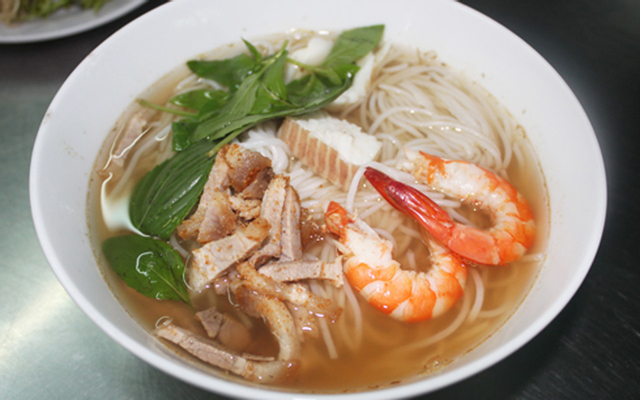
Bún Mắm Nước Lèo Bạc Liêu at Thanh Mai: “Even some Vietnamese people don’t like it.”

Bún Mít Mắm Nêm at Ngự Bình: “This dish, I think, not for you.”

Oc Len Xao Dua at C&C Express: “Uh, you know snail, right?!”

Hột Vịt Lộn at Hột Vịt Lộn Long An : “Egg with BABY.” (Direct, meaningful eye contact.)
Thịt Heo Luộc Cuốn Tôm Chua at Huế Ơi: “The shrimp is fermented! Pickled. If you don’t like it I will replace it for you.” (Later, watching me take – and enjoy – each bite: “Is it OK? I will replace it with something else!”)

Ốc Lá Lốt at Chả Ốc Gia Huy: “You know… we have grilled pork too.”

Lest you think it’s just Vietnamese places warning me about fish sauce, anchovy paste, or some iteration of fermented sea creature:
Udang Sambal Petai at Mutiara: “Have you had this before? Maybe you shouldn’t.” (After pressing for more information: “When you go to the bathroom it will smell.”)

Shirako at Ohshima: “Do you know shirako? I will tell you what it is after you eat it.”

Preserved Egg With Eggplant and Chili at Xi An Tasty: “So, this egg purple and green…”
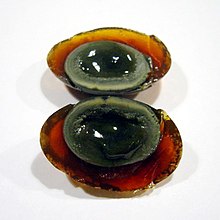
Spicy Fish Paste Curry at Yoma Myanmar: “Not fish… fish paste. Not the same.”

Etc., etc.
This is embarrassing to admit, but before I gave it careful thought, this type of thing used to really offend me. I felt discriminated against as a white person (I KNOW, but I was in my twenties) and that it wasn’t fair that everyone assumed my tastebuds would prefer all the mainstream, bland menu items. I’m so misunderstood. Why must people judge my tastebuds by the color of my skin? I would lament as I added way too much purple shrimp paste to my baby clam salad just to prove a point to the waitress (who was not watching and did not care).
Finally, I came to the simple realization that everyone just wants the people they feed to like the food they feed them. That’s why my family used to try so hard to cook for my vegetarian ex-boyfriend despite a) not agreeing with his dietary choices and b) him preferring to just eat cereal anyway. They wanted his tastebuds (even though they thought that his tastebuds were stupid) to enjoy themselves. They wanted him to feel cared for and considered.
No restaurant wants to shock a new customer out of her presumed comfort zone with a brined, weeks-dried green and purple mushy gelatinous egg, and have her throw up or scream or cry and make a scene. Obviously. But it also doesn’t want the customer to suffer in silence or even be quietly unpleasantly surprised with all the weirdness happening in her mouth. They just want her to enjoy her food. And assuming that a white customer is going to be unfamiliar with – and perhaps offended by – fermented shrimp paste or fish testicles or duck fetuses or snails is not at all unreasonable.
It’s great that I have become more tolerant of people treating me with human decency and all, but I still need to examine my affinity for trying the oddest-looking thing on the menu just because it’s the oddest-looking thing on the menu. There are some things I just plain straight-up actually love, like fish/shrimp/anchovy paste, cod testicles, and betel leaves, but there are other things, like duck fetuses and the slimy or rubbery types of snails (i.e. most of them), that I eat just because they’re not something I’d normally eat. In the best case scenario, this can be traced to my natural affinity for novelty. In the worst-case scenario, it reeks of exoticism, appropriation, and other fancy ways of describing individuals from dominant cultures being insensitive, bumbling jerks.
Realistically, it’s probably somewhere in the middle. I do believe that many of us narrow our experiences unnecessarily. When it comes to food, that tendency can cause harm. Only being open to eating certain parts of the animal, for example, leads to massive, widespread waste, with animals being killed for a mere fraction of their flesh. (Shark fin soup comes to mind here, as well as male baby chicks being slaughtered at birth.) Being open to all that is edible reduces waste and invites diversity of crops – which in turn provides them with some protection against pests/disease/natural disaster.
So maybe my insistence on trying the most unfamiliar thing on the menu is a little questionable on the cultural sensitivity scale, but the intention behind it is pure. Let’s hope the justification isn’t just a post-hoc scramble.
Thursday, July 13, 2017
Portland: Food Carts and the Surface of the World
“Don’t miss the food carts,” said pretty much everyone when I mentioned I was visiting Portland.
Having never been to a city in the US where semipermanent food cart encampments were allowed (cities in China, Korea, Malaysia, etc, sure, but not in the US) I sort of blew off this advice, figuring they meant something like a food truck gathering, which in LA is now synonymous with hordes of hipsters, $20 parking, and hour-long lines.
What they meant, it turns out, is that on random street corners throughout the city, the edges of parking lots are full of trailers, RVs, converted buses, wheel-less or wheeled trucks, or tiny houses, serving food from all over the world. They have weird hours and even weirder seating options, and look a lot like the encampments at Slab City, but their menus are overall pretty mouthwatering-looking.
There’s a lot of emphasis on Middle Eastern food, and Egyptian and Iraqi food in particular. Dinner one night was a sabich, billed as a ‘Jewish-Iraqi breakfast’ – a soft, warm pita oozing a mixture of egg, hummus, pickled mango sauce, and eggplant guts all over the potatoes inside. This was from Wolf & Bear’s, which looked like one piece of an old-timey caravan, tucked pretty permanently in a parking lot across from a bookstore. I wish I had had time to get into the nuances of the differences between Egyptian, Iraqi, Lebanese, and Jordanian food, as the carts were pretty explicit about specifying their origin, but their menus looked identical: falafel, kabobs, hummus, dolmas, tabbouleh, etc.
On a different day, a failed attempt at eating at “the only Mauritian restaurant in the US” (apparently it has a ‘Closed When Out Of Food’ policy) led me to hold myself over with some Haitian meat pies and a papaya smoothie at Caribbean Kitchen next door. The pies’ dough was perfectly light and flaky, graduating slowly into a melty symbiosis with the meat filling, which felt like all its spices had been muted.
Thus over-breaded, I stole bites here and there of my companion’s vegan hiyashi ramen, an angry red cauldron of shichimi togarashi (Japanese seven spice), oil, mushrooms, cabbages, and very al dente noodles. The overall effect was somewhere between that chunky red pepper paste served at dim sum restaurants and a mushroom salad dressed in oil. Not one to shy away from excessive oil, my lunch the next day was a plate of meat oil-soaked kielbasa, pierogi, and cabbage stew from a cart at the Saturday market.
Some non-food cart adventures included a vegetarian combination Ethiopian lunch plate, trendy ‘Korean-fusion restaurant‘ (I put this in quotes because there was very little Korean about my honey-anchovy encrusted potato chips, Dungeness crab seaweed noodle concoction, or the okay-I-guess-vaguely-Korean-esque scordalia pancake topped with gravlax and greens), a ramen joint that didn’t skimp on the Sichuan peppercorns (yes, Sichuan hot-pot-inspired ramen!), and an outrageously tasty goat-milk/marionberry jam/habanero ice cream. Right before leaving, I enjoyed a neat, spare, and walnut-brea-accompanied Swedish hash with trout, getting to the restaurantmere minutes before the rest of Portland.
It sounds like I had a world-traipsingly good time, and I did, in a way. If you want a the most accessible tour of the culinary surface of the world, you can’t do much better than Portland. However, my travel-scarred tastebuds tell me that it was just that: the surface. Nowhere were my preconceptions or preferences challenged, my mouth heated to more than a ‘mild’ (except for in the case of the Sichuan peppercorn ramen), or my horizons expanded. Everything I ate was well within the comfort zone of the average mildly adventurous American. Not once did I have to try and parse an unfamiliar language or a questionable translation, make an embarrassing faux-pas, or feel like a visitor to a different culture’s space.
It felt like everything was being marketed TO me -or at least the part of me that exists as a white American culinary tourist. I was the intended audience. Not the people whose culture’s food was being marketed.
I’m not knocking Portland for this, necessarily. If you want to make the most money, you obviously want to market to your biggest, well, market, and in Portland, maybe that’s the mainly white American culinary tourist. And maybe this kind of dabbling leads to more people being more open and experimental with food choices. I didn’t start out eating pork knuckles and beef tendons. First I needed to know that pork knuckles and beef tendons were food and were being served at restaurants. Others may need a larger shove than just awareness: first sausage, then blood sausage, then blood cubes, then raw goat blood pudding, for example?
Still, such extreme accessibility, no matter how convenient and at times even tasty, feels weird and a little icky. I’d rather pay a steeper price of admission into another culture’s universe.
My favorite thing about Portland was something that needed no marketing at all: the local berries! Vancouver (Washington)’s farmers market provided me with all the marionberries, tiny strawberries, and Rainier cherries that I could eat, and the flavors were so wholly different from anything available in California that they instantly made the whole trip worth it.
Having never been to a city in the US where semipermanent food cart encampments were allowed (cities in China, Korea, Malaysia, etc, sure, but not in the US) I sort of blew off this advice, figuring they meant something like a food truck gathering, which in LA is now synonymous with hordes of hipsters, $20 parking, and hour-long lines.
What they meant, it turns out, is that on random street corners throughout the city, the edges of parking lots are full of trailers, RVs, converted buses, wheel-less or wheeled trucks, or tiny houses, serving food from all over the world. They have weird hours and even weirder seating options, and look a lot like the encampments at Slab City, but their menus are overall pretty mouthwatering-looking.
There’s a lot of emphasis on Middle Eastern food, and Egyptian and Iraqi food in particular. Dinner one night was a sabich, billed as a ‘Jewish-Iraqi breakfast’ – a soft, warm pita oozing a mixture of egg, hummus, pickled mango sauce, and eggplant guts all over the potatoes inside. This was from Wolf & Bear’s, which looked like one piece of an old-timey caravan, tucked pretty permanently in a parking lot across from a bookstore. I wish I had had time to get into the nuances of the differences between Egyptian, Iraqi, Lebanese, and Jordanian food, as the carts were pretty explicit about specifying their origin, but their menus looked identical: falafel, kabobs, hummus, dolmas, tabbouleh, etc.
On a different day, a failed attempt at eating at “the only Mauritian restaurant in the US” (apparently it has a ‘Closed When Out Of Food’ policy) led me to hold myself over with some Haitian meat pies and a papaya smoothie at Caribbean Kitchen next door. The pies’ dough was perfectly light and flaky, graduating slowly into a melty symbiosis with the meat filling, which felt like all its spices had been muted.
Thus over-breaded, I stole bites here and there of my companion’s vegan hiyashi ramen, an angry red cauldron of shichimi togarashi (Japanese seven spice), oil, mushrooms, cabbages, and very al dente noodles. The overall effect was somewhere between that chunky red pepper paste served at dim sum restaurants and a mushroom salad dressed in oil. Not one to shy away from excessive oil, my lunch the next day was a plate of meat oil-soaked kielbasa, pierogi, and cabbage stew from a cart at the Saturday market.
Some non-food cart adventures included a vegetarian combination Ethiopian lunch plate, trendy ‘Korean-fusion restaurant‘ (I put this in quotes because there was very little Korean about my honey-anchovy encrusted potato chips, Dungeness crab seaweed noodle concoction, or the okay-I-guess-vaguely-Korean-esque scordalia pancake topped with gravlax and greens), a ramen joint that didn’t skimp on the Sichuan peppercorns (yes, Sichuan hot-pot-inspired ramen!), and an outrageously tasty goat-milk/marionberry jam/habanero ice cream. Right before leaving, I enjoyed a neat, spare, and walnut-brea-accompanied Swedish hash with trout, getting to the restaurantmere minutes before the rest of Portland.
It sounds like I had a world-traipsingly good time, and I did, in a way. If you want a the most accessible tour of the culinary surface of the world, you can’t do much better than Portland. However, my travel-scarred tastebuds tell me that it was just that: the surface. Nowhere were my preconceptions or preferences challenged, my mouth heated to more than a ‘mild’ (except for in the case of the Sichuan peppercorn ramen), or my horizons expanded. Everything I ate was well within the comfort zone of the average mildly adventurous American. Not once did I have to try and parse an unfamiliar language or a questionable translation, make an embarrassing faux-pas, or feel like a visitor to a different culture’s space.
It felt like everything was being marketed TO me -or at least the part of me that exists as a white American culinary tourist. I was the intended audience. Not the people whose culture’s food was being marketed.
I’m not knocking Portland for this, necessarily. If you want to make the most money, you obviously want to market to your biggest, well, market, and in Portland, maybe that’s the mainly white American culinary tourist. And maybe this kind of dabbling leads to more people being more open and experimental with food choices. I didn’t start out eating pork knuckles and beef tendons. First I needed to know that pork knuckles and beef tendons were food and were being served at restaurants. Others may need a larger shove than just awareness: first sausage, then blood sausage, then blood cubes, then raw goat blood pudding, for example?
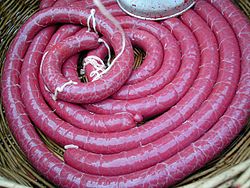
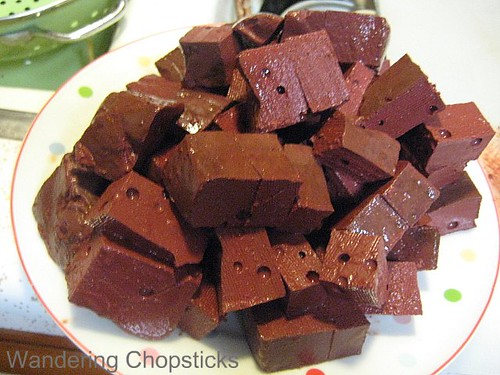

Still, such extreme accessibility, no matter how convenient and at times even tasty, feels weird and a little icky. I’d rather pay a steeper price of admission into another culture’s universe.
My favorite thing about Portland was something that needed no marketing at all: the local berries! Vancouver (Washington)’s farmers market provided me with all the marionberries, tiny strawberries, and Rainier cherries that I could eat, and the flavors were so wholly different from anything available in California that they instantly made the whole trip worth it.
Sunday, July 2, 2017
The State of My Stomach: Stop 0 (USA)
I sit now on the cusp of a year-long trip, starting on July 23, 2017. That morning, I board a plane to Asahikawa, Hokkaido, Japan, and kick off a year of chasing regional specialty dishes, local plants, and seasonal seafood all around the globe (well, all around the Eastern Hemisphere). Predicted highlights will include fresh sea urchin in Hokkaido, various durian cultivars in Malaysia, pickled fish roe and fried algae in Laos, bluff oysters and freshwater crayfish in New Zealand, khinkali in Georgia, and sea snails and octopus in Sicily! Unpredicted highlights will include… who knows? I can predict, however, that this uncharted space is where the substance will be.
The ‘State of my Stomach’ posts will be monthly posts that chronicle how this trip is affecting my taste buds. Stop 0 is a bit of an anomaly because I’m still at home, but I’m using it as an opportunity to establish a flavor base.
For as much as it feels like I’ve always preferred what I currently prefer (and vice versa), there exists lots of evidence to prove me wrong. My recent slow march towards pescetarianism resulting in my taste buds turning against meat, for example. So too 20-year-old photos of me with bottles of Cherry Coke to my lips. Or my mom insisting that I used to order only bean and cheese burritos at Mexican restaurants. Or clear memories of running to the bathroom in disgust to spit an accidentally-bitten olive into my napkin before the flavor made me gag. Or consistently ordering cafeteria pizza and limp lettuce salad for lunch as a high school senior.
Taste buds are highly malleable.
So here’s Stop 0’s base:
Love: shellfish and sashimi, vegetable juices, very dark chocolate, tropical fruits, seared things
Hate: artificial flavors, most fast food, unnecessarily sweet things, celery, MSG as an excuse for being lazy about flavor, dishes plated to appeal mainly to Instagrammers, wine
General trend: I love to try things I am unfamiliar with – even more so if I’ve read about them previously. I like almost everything that is made of real (not chemically created/enhanced) ingredients, not overly reliant on a lazy spice like salt, sugar, or MSG, and prepared with skill and care. Strong herbs are a plus. Anything I can taste in burps hours later is also a plus.
Notable life influences:
- 1984: I am born into a family which holds the attitude that if it is edible, it should be sampled at least once.
- 1987: I eat deep fried fish eyes on a dare without understanding why this is a big deal.
- 1988: I am the only kid in preschool with cream cheese and caviar sandwiches in her lunch box.
- 1990: I decide to stop eating 90% of the food I like as an experiment (to see what not liking food feels like).
- 1991: I binge-eat Gulf oysters as fast as my uncle can shuck them at our Thanksgiving gathering in Houston.
- 1993: I randomly throw up in the middle of the night, am told it is because I only ate junk food the previous day, and then proceed to ask my mom every day for at least a year whether I have eaten enough healthy food to protect against night vomiting
- 1997: I rebelliously sneak Spaghetti-O’s and Chef Boyardee at a friend’s house because I know my mom would be mad if she saw me eating it.
- 2001: On a trip to New Orleans with my high school band, we’re supposed to be eating at our hotel and at places like Old Country Buffet, so I ‘run away’ into the city to sample some of New Orleans’ actual culinary offerings. I get in trouble with the band director, but not with my dad. He is proud.
- 2004: Sophomore year of college, I date a man with a nutritionist mother who is way too intense for me at the time with all her vitamins and sprouted grain bread, but who nudges me slowly but irreversibly away from the instant ramen, canned soup and frozen dinners I live on at the time.
- 2009: I discover Yelp, before Yelp is big enough to have armies of fake reviewers or significant sway over businesses’ success, and use it to redefine my understanding of Colorado’s culinary landscape. I also discover that, even more than discovering new food myself, I love introducing it to others.
- 2010: I move within striking distance of a Little Saigon second in size and Vietnamese population only to Actual Saigon.
- 2012: I travel through East/Southeast Asia for three straight months and discover that no matter how much ‘unhealthy’ street food I consume, I still feel better than I do at home in the States (as long as I chase all of it with handfuls of tropical fruit).
- 2016: I become too bothered by the existence of factory farming to sit idly by, but remain way too food-centered to go fully vegetarian. I do periodic vegan experiments and cut my (non-seafood) meat consumption drastically, which results, wholly unexpectedly, in my not liking meat as much when I do eat it. I have mixed feelings about this and write a maudlin blog post about it.
Rising interest: olives, creative vegan, durian varieties, coffee (in small doses), craft beer (in even smaller doses), chickpea-alternative hummus, eating in complete darkness, insects
Falling interest: smoothies, granola, meat (mammal and fowl), raw food, imitation meat
Targets in the next country (Japan): shirako (cod testicles), gindara saikyo-yaki (fried black cod), umi-budo (sea grapes), te-uchi soba, taimeshi (rice with sea bream and kombu), kabayaki (grilled unagi), namero (aji mince), dojo (tiny eel), and haskap berries.
Thursday, April 20, 2017
Patin Tempoyak
Every possible kind of vehicle except a taxi is speeding around one of Muar, Malaysia’s frenetic roundabouts, especially vehicles that sort of look like they might be taxis from afar – just to mess with us. The weather might best be described as ‘steamy’. I have a destination address which is four miles away. In a less equatorial climate, four miles is walkable. Here, it’s a marathon.
But getting to this address is non-negotiable, because it’s the only place for miles around that serves patin tempoyak.
There is foreign food that you can’t get in the States, and then there’s foreign food you really can’t get in the States. Patin tempoyak is the latter. It’s Malaysian silver catfish somehow prepared with (rubbed in, soaked in a broth made largely from, etc) fermented durian.
For a typical American reaction to this prospect, I quote a friend’s comment on my Facebook post featuring this dish: “Why/how anyone would DARE to ferment a durian and then turn it into paste is utterly beyond me.”
For MY reaction to this prospect, see, well, the predicament I find myself in: fruitlessly circling a Muarian roundabout, surrounded on all sides by other restaurants (good ones! Novel ones!) and panicking because the fermented durian restaurant will be closing in a hour, along with my window to try it. This dish hails from Temerloh, and Muar is as closely as I’m likely to get to Temerloh in my lifetime.
Finally, I duck into a hotel (not my hotel) and ask for help in calling a taxi. The Chinese hotel owner looks doubtfully at the restaurant’s name, smacking his lips over the syllables, and says ‘Must be new.’ He also says he has never tried the dish, and from the way he says it, I know that he does not wish to try the dish. His kindness in helping a stranger find a taxi to a fermented durian restaurant he is obviously pretty sure she won’t like, however, does not go unnoticed.
Out in the ‘suburbs’ of Muar, on the green jungly edge of the nation-spanning Route 5, is a restaurant that looks like it could just as easily be a auto service/parts store. Not just because of the garage doors that haul up and down, which are featured on nearly every urban business in Malaysia, but because of the double-car sized dining area. Grills line the back, and vats, filled with orangish oily liquid. Surprisingly, the place doesn’t smell like much. I was expecting the air-thickening scent of my memories of the durian-heavy sidewalk market in Jayapura, Indonesia. I have never thought, like many, that durian smells like armpits or sweaty socks or onions. I think it smells like an unusually cheesy jackfruit. But a very aromatic cheesy jackfruit, one that can eclipse most other scents, even motorcycle exhaust or the smoke of a hundred satay stands.
My nose isn’t the only thing that’s surprised; so are the chefs and waiters, who later post on Facebook that we are the first Americans to ever come to their restaurant, adding pictures of us posing, sweating, and smiling with our banana-leaf-wrapped, durian-paste rubbed fish, and our big bowl of spicy durian-soaked fish soup.
For those two dishes, plus a line-up of starfruit and calamansi juices that we ask to keep coming as we sweat the previous ones right out, it costs something like US$7. For both of us. I’d pay severalfold that to be able to eat these dishes again less than 9000 miles from my home. (I’d be thrilled if I could even get starfruit or calamansi juice alone in my home, which is a reasonably warm, extremely ethnically diverse major city that imports all sorts of tropical fruit, so why not these?)
Flaunting all known culinary laws, fermented durian tastes LESS pungent than non-fermented durian. In the paste on the banana leaf-grilled fish, it tastes like the fermentation process simply concentrated the fruity note of the durian, turning it almost pineapply, if this pineapple had also been pickled in the manner of those pickles you find in South Indian thali. In the case of the soup, the spice is so instant and searing it’s hard to tell what’s going on until your tongue calms down a little. Then, the durian’s oniony notes come out and blend seamlessly with the rest of the herbs and vegetables floating in there. The fish itself – and when else is the fish’s quality an afterthought? – is pure white, naturally sweet, and covered in iridescent, soft, and fatty skin. The main accompanying vegetable is something right at the intersection of carrot, radish, and potato.
The chefs are amused that we’re loving this, some of our friends are shocked that we’re loving this, and it’s overall treated as a weird, adventurous experience by everyone involved, but zest for adventure aside, quest for novelty aside – this is legitimately one of the best meals I’ve ever eaten.
There are no taxis out in the untamed wilderness of State Route 5, still, and a relative of the chef’s who looks to be about 13 drives us back to the city. As goes a normal day in Malaysia.
But getting to this address is non-negotiable, because it’s the only place for miles around that serves patin tempoyak.
There is foreign food that you can’t get in the States, and then there’s foreign food you really can’t get in the States. Patin tempoyak is the latter. It’s Malaysian silver catfish somehow prepared with (rubbed in, soaked in a broth made largely from, etc) fermented durian.
For a typical American reaction to this prospect, I quote a friend’s comment on my Facebook post featuring this dish: “Why/how anyone would DARE to ferment a durian and then turn it into paste is utterly beyond me.”
For MY reaction to this prospect, see, well, the predicament I find myself in: fruitlessly circling a Muarian roundabout, surrounded on all sides by other restaurants (good ones! Novel ones!) and panicking because the fermented durian restaurant will be closing in a hour, along with my window to try it. This dish hails from Temerloh, and Muar is as closely as I’m likely to get to Temerloh in my lifetime.
Finally, I duck into a hotel (not my hotel) and ask for help in calling a taxi. The Chinese hotel owner looks doubtfully at the restaurant’s name, smacking his lips over the syllables, and says ‘Must be new.’ He also says he has never tried the dish, and from the way he says it, I know that he does not wish to try the dish. His kindness in helping a stranger find a taxi to a fermented durian restaurant he is obviously pretty sure she won’t like, however, does not go unnoticed.
Out in the ‘suburbs’ of Muar, on the green jungly edge of the nation-spanning Route 5, is a restaurant that looks like it could just as easily be a auto service/parts store. Not just because of the garage doors that haul up and down, which are featured on nearly every urban business in Malaysia, but because of the double-car sized dining area. Grills line the back, and vats, filled with orangish oily liquid. Surprisingly, the place doesn’t smell like much. I was expecting the air-thickening scent of my memories of the durian-heavy sidewalk market in Jayapura, Indonesia. I have never thought, like many, that durian smells like armpits or sweaty socks or onions. I think it smells like an unusually cheesy jackfruit. But a very aromatic cheesy jackfruit, one that can eclipse most other scents, even motorcycle exhaust or the smoke of a hundred satay stands.
My nose isn’t the only thing that’s surprised; so are the chefs and waiters, who later post on Facebook that we are the first Americans to ever come to their restaurant, adding pictures of us posing, sweating, and smiling with our banana-leaf-wrapped, durian-paste rubbed fish, and our big bowl of spicy durian-soaked fish soup.
For those two dishes, plus a line-up of starfruit and calamansi juices that we ask to keep coming as we sweat the previous ones right out, it costs something like US$7. For both of us. I’d pay severalfold that to be able to eat these dishes again less than 9000 miles from my home. (I’d be thrilled if I could even get starfruit or calamansi juice alone in my home, which is a reasonably warm, extremely ethnically diverse major city that imports all sorts of tropical fruit, so why not these?)
Flaunting all known culinary laws, fermented durian tastes LESS pungent than non-fermented durian. In the paste on the banana leaf-grilled fish, it tastes like the fermentation process simply concentrated the fruity note of the durian, turning it almost pineapply, if this pineapple had also been pickled in the manner of those pickles you find in South Indian thali. In the case of the soup, the spice is so instant and searing it’s hard to tell what’s going on until your tongue calms down a little. Then, the durian’s oniony notes come out and blend seamlessly with the rest of the herbs and vegetables floating in there. The fish itself – and when else is the fish’s quality an afterthought? – is pure white, naturally sweet, and covered in iridescent, soft, and fatty skin. The main accompanying vegetable is something right at the intersection of carrot, radish, and potato.
The chefs are amused that we’re loving this, some of our friends are shocked that we’re loving this, and it’s overall treated as a weird, adventurous experience by everyone involved, but zest for adventure aside, quest for novelty aside – this is legitimately one of the best meals I’ve ever eaten.
There are no taxis out in the untamed wilderness of State Route 5, still, and a relative of the chef’s who looks to be about 13 drives us back to the city. As goes a normal day in Malaysia.
Wednesday, March 15, 2017
Scared to be a Vegetarian
The thing that’s been keeping me from writing lately is not the usual (laziness, avoiding responsibilities, existential crises about my microscopic shot at being a self-sustaining food blogger), but rather, a creeping unease about the title of my blog.
Hannah Eats Everything. But lately, I don’t. My discomfort with the idea of eating meat has been around since college. At first, it was conveniently limited to discomfort with eating specifically the kinds of meat I already didn’t like (steak, chicken in any preparation other than fried, anything tough and sinewy, too much meat at one time, like in a chop), but it has been growing and getting a bit out of hand.
Trying to minimize my meat consumption started by not cooking it at home, which then became also not eating it when it was convenient/crappy, like free pizza at work, which turned into its current incarnation: not eating it unless A) it’s a rare opportunity to try a unique dish, B) I have it on good authority it’s going to be transcendent, or C) a friend or their grandma or something gives it to me and then stands there expectantly.
What I didn’t expect was that this stage was also where my tastebuds stopped being within my control. They started balking at certain meats, tasting something offensively gamy, like a subtle wet dog smell, where before they might have luxuriated in marrow, intestines, or liver. For example, the other day I couldn’t finish a bowl of Phnom Penh noodle soup because it was too liver-y. Too liver-y! For me! I used to order larb made of liver at North Hollywood Thai restaurants. I had a fridge full of Trader Joe’s truffle mousse pate. I mean, I judged Phnom Penh noodle restaurants on their ability to stand up against soup gentrification by using the ‘icky parts’ of the pig despite casual tourists’ squicked-outedness. And now I was pushing the liver down into the depths of the soup, hidden under the noodles, so I wouldn’t have to face the shame of my traitorous tastebuds.
I’m afraid to try pate, a former favorite. Popeye’s fried chicken, a guilty pleasure for years, hits my tolerance level after half a thigh. I used to eat burgers about once a month. The last time I ate one was October – and it was Korean-influenced – and I still didn’t like it. And this one pains me most: when my family follows my grandma’s recipe for essig-fleisch, it tastes like tomatoey straw with this unmistakeable farm animal smell-tang.
It shouldn’t pain me at all, or shame me, or even surprise me. I support eliminating factory farming, and would be happy to pay the inflated price for humanely killed meat. I believe we should cut meat consumption to a fraction of what it is now – that the worldwide trend toward increased meat consumption is the wrong direction. I believe animal flesh is something that should be consumed mindfully, with thoughts towards the sacrifice involved. I have wished out loud after watching some horrific factory farm video or reading “Eating Animals” or “Animal Liberation” that my body didn’t love and crave meat so much. Then, I’d be free to go vegetarian.
And now, it doesn’t. I am free(er) to go vegetarian.
I am, half-under my control and half-not, moving that way. I still eat seafood with abandon (or, abandon if it falls under my A/B/C three-stage rules above). For some reason, few seafood items have yet inspired even slight revulsion in me (exceptions: stingrays, which have the effect of a ropy combination of tuna and steak). But the proportion of mammal/bird meat in my diet is rapidly shrinking.
It pains me, I guess, because this blog is nothing if not a shrine to novelty. Newness is more important than quality, goodness, complexity, authenticity, or any other measure I might otherwise choose to rate food. And along with newness comes openness to experience, that Big Five Personality scale item that I choose mainly to apply to food experiences. How can I remain fully open, or claim allegiance to novelty, when there are now things towards which I hold prejudice? Not just “hey, I’ve tried this thing and don’t really like it” prejudice, but moral prejudice?
I will try to keep writing regardless, perhaps pointing my spotlight at more fish-and-veggie-centric experiences, as I figure this out – but the unease remains.
It’s kind of funny when you take a step back – I’m scared to be a vegetarian!
Hannah Eats Everything. But lately, I don’t. My discomfort with the idea of eating meat has been around since college. At first, it was conveniently limited to discomfort with eating specifically the kinds of meat I already didn’t like (steak, chicken in any preparation other than fried, anything tough and sinewy, too much meat at one time, like in a chop), but it has been growing and getting a bit out of hand.
Trying to minimize my meat consumption started by not cooking it at home, which then became also not eating it when it was convenient/crappy, like free pizza at work, which turned into its current incarnation: not eating it unless A) it’s a rare opportunity to try a unique dish, B) I have it on good authority it’s going to be transcendent, or C) a friend or their grandma or something gives it to me and then stands there expectantly.
What I didn’t expect was that this stage was also where my tastebuds stopped being within my control. They started balking at certain meats, tasting something offensively gamy, like a subtle wet dog smell, where before they might have luxuriated in marrow, intestines, or liver. For example, the other day I couldn’t finish a bowl of Phnom Penh noodle soup because it was too liver-y. Too liver-y! For me! I used to order larb made of liver at North Hollywood Thai restaurants. I had a fridge full of Trader Joe’s truffle mousse pate. I mean, I judged Phnom Penh noodle restaurants on their ability to stand up against soup gentrification by using the ‘icky parts’ of the pig despite casual tourists’ squicked-outedness. And now I was pushing the liver down into the depths of the soup, hidden under the noodles, so I wouldn’t have to face the shame of my traitorous tastebuds.
I’m afraid to try pate, a former favorite. Popeye’s fried chicken, a guilty pleasure for years, hits my tolerance level after half a thigh. I used to eat burgers about once a month. The last time I ate one was October – and it was Korean-influenced – and I still didn’t like it. And this one pains me most: when my family follows my grandma’s recipe for essig-fleisch, it tastes like tomatoey straw with this unmistakeable farm animal smell-tang.
It shouldn’t pain me at all, or shame me, or even surprise me. I support eliminating factory farming, and would be happy to pay the inflated price for humanely killed meat. I believe we should cut meat consumption to a fraction of what it is now – that the worldwide trend toward increased meat consumption is the wrong direction. I believe animal flesh is something that should be consumed mindfully, with thoughts towards the sacrifice involved. I have wished out loud after watching some horrific factory farm video or reading “Eating Animals” or “Animal Liberation” that my body didn’t love and crave meat so much. Then, I’d be free to go vegetarian.
And now, it doesn’t. I am free(er) to go vegetarian.
I am, half-under my control and half-not, moving that way. I still eat seafood with abandon (or, abandon if it falls under my A/B/C three-stage rules above). For some reason, few seafood items have yet inspired even slight revulsion in me (exceptions: stingrays, which have the effect of a ropy combination of tuna and steak). But the proportion of mammal/bird meat in my diet is rapidly shrinking.
It pains me, I guess, because this blog is nothing if not a shrine to novelty. Newness is more important than quality, goodness, complexity, authenticity, or any other measure I might otherwise choose to rate food. And along with newness comes openness to experience, that Big Five Personality scale item that I choose mainly to apply to food experiences. How can I remain fully open, or claim allegiance to novelty, when there are now things towards which I hold prejudice? Not just “hey, I’ve tried this thing and don’t really like it” prejudice, but moral prejudice?
I will try to keep writing regardless, perhaps pointing my spotlight at more fish-and-veggie-centric experiences, as I figure this out – but the unease remains.
It’s kind of funny when you take a step back – I’m scared to be a vegetarian!
Sunday, December 4, 2016
Hong Kong
I.
There is a lady of indeterminate age sitting across from me, studiously avoiding my eyes as she transfers her short rib dish from the steamer into her bowl. She raises a disapproving and painted-on eyebrow at the sauce she’s been forced to use after requesting another sauce and being rebuffed.
Or that’s what I assume has happened, since it was all carried out in rapid Cantonese (not that the speed matters when the number of Cantonese words I know is two). Everything has been Cantonese since I arrived at this small dim sum place in an industrial-ish area of Kowloon, purportedly the cheapest Michelin-star-festooned restaurant in the world.
I hear tell of crazy lines and long waits, but I am shuttled in within five minutes, albeit coupled with this strange lady and shown to a tiny table barely big enough to take my jacket off at without knocking all of the silverware on her side into her lap. I smile and nod at her, but she doesn’t look up once. She looks everywhere except at me: at her menu, at the six girls next to us who have so many pork buns on their table that they line the edges like Christmas lights, at the ceiling, at the waitstaff, at the rain.
So I look at my phone. It’s evening in Los Angeles, a reasonable time to text friends, so I text friends. I text them a picture of my menu, because I think that’s what someone at a famous and decorated restaurant might do. I’d just as soon play the game of ‘Who Can Avoid Eye Contact The Longest?’ with my tablemate, who seems vaguely disapproving of my menu-capture, except I have the handicap of facing a wall instead of the rest of the restaurant. Luckily, her shortribs arrive before too long, and I have those to stare at. Dim sum-style short ribs have always tasted somewhat spam-like and looked somewhat pimple-skinned to me, so I haven’t ordered them. I’ve ordered the most white-girl-ish order possible: BBQ pork buns and shrimp dumplings.
To be fair, the BBQ pork buns are what everyone raves about – otherwise, I wouldn’t have ordered them. Tim Ho Wan’s pork buns are the fried, crispy kind. The kind with sugar poured on top in a kind of bun-ruining splat. The filling of the buns is fantastic, though not terribly Chinese-tasting – the BBQ sauce wouldn’t be totally out of place at a Texas rib joint – but the sugar-splatted bun is reminiscent of the first time I bought a loaf of bread in Indonesia and discovered that apparently Indonesians think bread, even in loaf form is dessert. (I tried to make a grilled tempeh and mustard sandwich with it. This didn’t go well.) If I was writing a judgment-free review of these sugar buns, though, I’d have to admit that the sugar forms a teeth-pleasing crunch, like the top of a creme brulée, to supplement the rest of the crackling, fried, crumb-flaking bun. But these, sugar and crunch and Texas BBQ sauce and all, are but a mere memory once I put a shrimp dumpling in my mouth.
These shrimp dumplings are first example of something I run into time and time again in Hong Kong: there is something magical in the rice wrappers. I’ve been eating dim sum all my life – in Chicago, in San Francisco, in Los Angeles, in Beijing, in Guangxi, even in Osaka – and never knew the wrappers didn’t have to be at least kind of gummy. I never even noticed the gumminess until its absence here in Hong Kong, where the rice wrappers serve their purpose by holding in the goodies, provide a mild chew, then magically disintegrate into nothing when they’re no longer needed. Once the shrimp’s skin bursts and that salty ocean flavor, tempered by wine, garlic, and pork fat, floods the mouth, the wrapping just disappears as though it was never there. It wouldn’t want to interfere.
I see this here, at Tim Ho Wan; I see it in the green glass dumplings at Sai Yung Kee, which LOOK fat and substantial, but melt all the same; I see it at Mak’s Noodle, a no-nonsense diner where the only hint to its fame is the laminated newspaper write-ups stuck under the glass of the tables (and the presence of a branch at the Peak Galleria, but I don’t know that yet).
Mak’s Noodle does a lot of things right other than the magical disappearing wonton wrapper. Its saltwater prawn dumpling/pork-wood ear mushroom wonton/egg noodle soup tastes enough like the soups I had in American-Chinese restaurants all throughout my childhood (but not since) to make me feel familiar with it, but tastes dissimilar enough to feel like an adventure. The skinny clumps of egg noodles, for example, are made fresh with duck eggs, and are a departure from those tangled nothings you find dried in grocery stores. And the broth, said to be made from flounder, pork bones, and dried shrimp, goes so far beyond the normal weakly five-spiced chicken/MSG water as to be a different species entirely.
The tiny bowl disappears too fast. I’d been waiting all morning for it to open, erroneously assuming Hong Kongers eat noodle soup for breakfast just as the Vietnamese and Cambodians do, opening their pho, hu tieu, kuy teav, and nom banh chok stalls as early as 6am. But Mak’s opens at 11, leaving me wandering through the bizarre K11 Art Mall with my stomach growling as I observe blocky birds flying through the entry way, fluorescent mosaic exit doors, and graffitied understairwells. I keep out of the rain under building-sized plastic shower curtains and, while still lukewarm on Hong Kong as a whole, wish we museumed our malls like this.
II.
“Is that… gold?” I ask incredulously as I use the end of a chopstick to lift the tiny, but unmistakable sparkle away from its off-purple base pile of paste.
The concerned but smiling face above me inclines towards the paste. “You should try that before you mix it. Just to make sure you like it.”
There is a lady of indeterminate age sitting across from me, studiously avoiding my eyes as she transfers her short rib dish from the steamer into her bowl. She raises a disapproving and painted-on eyebrow at the sauce she’s been forced to use after requesting another sauce and being rebuffed.
Or that’s what I assume has happened, since it was all carried out in rapid Cantonese (not that the speed matters when the number of Cantonese words I know is two). Everything has been Cantonese since I arrived at this small dim sum place in an industrial-ish area of Kowloon, purportedly the cheapest Michelin-star-festooned restaurant in the world.
I hear tell of crazy lines and long waits, but I am shuttled in within five minutes, albeit coupled with this strange lady and shown to a tiny table barely big enough to take my jacket off at without knocking all of the silverware on her side into her lap. I smile and nod at her, but she doesn’t look up once. She looks everywhere except at me: at her menu, at the six girls next to us who have so many pork buns on their table that they line the edges like Christmas lights, at the ceiling, at the waitstaff, at the rain.
So I look at my phone. It’s evening in Los Angeles, a reasonable time to text friends, so I text friends. I text them a picture of my menu, because I think that’s what someone at a famous and decorated restaurant might do. I’d just as soon play the game of ‘Who Can Avoid Eye Contact The Longest?’ with my tablemate, who seems vaguely disapproving of my menu-capture, except I have the handicap of facing a wall instead of the rest of the restaurant. Luckily, her shortribs arrive before too long, and I have those to stare at. Dim sum-style short ribs have always tasted somewhat spam-like and looked somewhat pimple-skinned to me, so I haven’t ordered them. I’ve ordered the most white-girl-ish order possible: BBQ pork buns and shrimp dumplings.
To be fair, the BBQ pork buns are what everyone raves about – otherwise, I wouldn’t have ordered them. Tim Ho Wan’s pork buns are the fried, crispy kind. The kind with sugar poured on top in a kind of bun-ruining splat. The filling of the buns is fantastic, though not terribly Chinese-tasting – the BBQ sauce wouldn’t be totally out of place at a Texas rib joint – but the sugar-splatted bun is reminiscent of the first time I bought a loaf of bread in Indonesia and discovered that apparently Indonesians think bread, even in loaf form is dessert. (I tried to make a grilled tempeh and mustard sandwich with it. This didn’t go well.) If I was writing a judgment-free review of these sugar buns, though, I’d have to admit that the sugar forms a teeth-pleasing crunch, like the top of a creme brulée, to supplement the rest of the crackling, fried, crumb-flaking bun. But these, sugar and crunch and Texas BBQ sauce and all, are but a mere memory once I put a shrimp dumpling in my mouth.
These shrimp dumplings are first example of something I run into time and time again in Hong Kong: there is something magical in the rice wrappers. I’ve been eating dim sum all my life – in Chicago, in San Francisco, in Los Angeles, in Beijing, in Guangxi, even in Osaka – and never knew the wrappers didn’t have to be at least kind of gummy. I never even noticed the gumminess until its absence here in Hong Kong, where the rice wrappers serve their purpose by holding in the goodies, provide a mild chew, then magically disintegrate into nothing when they’re no longer needed. Once the shrimp’s skin bursts and that salty ocean flavor, tempered by wine, garlic, and pork fat, floods the mouth, the wrapping just disappears as though it was never there. It wouldn’t want to interfere.
I see this here, at Tim Ho Wan; I see it in the green glass dumplings at Sai Yung Kee, which LOOK fat and substantial, but melt all the same; I see it at Mak’s Noodle, a no-nonsense diner where the only hint to its fame is the laminated newspaper write-ups stuck under the glass of the tables (and the presence of a branch at the Peak Galleria, but I don’t know that yet).
Mak’s Noodle does a lot of things right other than the magical disappearing wonton wrapper. Its saltwater prawn dumpling/pork-wood ear mushroom wonton/egg noodle soup tastes enough like the soups I had in American-Chinese restaurants all throughout my childhood (but not since) to make me feel familiar with it, but tastes dissimilar enough to feel like an adventure. The skinny clumps of egg noodles, for example, are made fresh with duck eggs, and are a departure from those tangled nothings you find dried in grocery stores. And the broth, said to be made from flounder, pork bones, and dried shrimp, goes so far beyond the normal weakly five-spiced chicken/MSG water as to be a different species entirely.
The tiny bowl disappears too fast. I’d been waiting all morning for it to open, erroneously assuming Hong Kongers eat noodle soup for breakfast just as the Vietnamese and Cambodians do, opening their pho, hu tieu, kuy teav, and nom banh chok stalls as early as 6am. But Mak’s opens at 11, leaving me wandering through the bizarre K11 Art Mall with my stomach growling as I observe blocky birds flying through the entry way, fluorescent mosaic exit doors, and graffitied understairwells. I keep out of the rain under building-sized plastic shower curtains and, while still lukewarm on Hong Kong as a whole, wish we museumed our malls like this.
II.
“Is that… gold?” I ask incredulously as I use the end of a chopstick to lift the tiny, but unmistakable sparkle away from its off-purple base pile of paste.
The concerned but smiling face above me inclines towards the paste. “You should try that before you mix it. Just to make sure you like it.”
“The crab paste?” I know it’s crab paste, because I read the menu. I already know I like crab paste. But to accommodate him, I taste the crab paste. “Mmm. I like it. But… is that…?”
“Good!” he exclaims as he glides off towards the end of the miniscule bar to grab another customer’s tray of soup, which may or may not also feature a tiny speck of gold leaf atop a mountain of crab paste.
The bowl in front of me looks tangentially like the ramen I’m used to, but for the gold leaf and the fact that the broth is bleeding black from a shot of squid ink. Nobody thinks the fact that there is gold in the soup is weird, and upon further reflection, neither should I, given that I’m in Hong Kong, a city which appears to have more people than square feet and more jewelry stores than people.
My Kowloon hostel sat on a block with at least seven of them, several of them clones, despite the congested apartment blocks rising from those ground floors where people all lived jumbled on top of one another, their incense wafting into each other’s windows, the laundry on their lines fluttering against one another’s, their drying foodstuffs clogging the hallways, and their elevators sagging and clunking with illegal loads. Where are the people who are keeping these jewelry stores in business?
The gold leaf is decoration, of course, like gold anything, and goes down without comment or fanfare. The ramen, similarly, is more pomp than substance. While the squid ink bleeds dramatically, oil-like, into the pork bone broth, the whole thing tastes vaguely of iron. I muse in the background of my bites that I shouldn’t have mixed in the crab paste, that I should have eaten the whole pile of it in one mouthful.
The whole time I’m eating, the waiter and I are having a spirited conversation about what the best countries in the world to live in are (him: Germany; me: Taiwan) that takes a left turn into autism when he asks what I do. We speak easily. But when he asks me whether I like my bowl, I turn shy. “It’s interesting!” I say, as though that isn’t code for “Please don’t make me state an unequivocal opinion!”
“I can tell,” he replies, but I, for one, can’t tell whether he’s saying he can tell I like it or can tell I’m lying.
“Good!” he exclaims as he glides off towards the end of the miniscule bar to grab another customer’s tray of soup, which may or may not also feature a tiny speck of gold leaf atop a mountain of crab paste.
The bowl in front of me looks tangentially like the ramen I’m used to, but for the gold leaf and the fact that the broth is bleeding black from a shot of squid ink. Nobody thinks the fact that there is gold in the soup is weird, and upon further reflection, neither should I, given that I’m in Hong Kong, a city which appears to have more people than square feet and more jewelry stores than people.
My Kowloon hostel sat on a block with at least seven of them, several of them clones, despite the congested apartment blocks rising from those ground floors where people all lived jumbled on top of one another, their incense wafting into each other’s windows, the laundry on their lines fluttering against one another’s, their drying foodstuffs clogging the hallways, and their elevators sagging and clunking with illegal loads. Where are the people who are keeping these jewelry stores in business?
The gold leaf is decoration, of course, like gold anything, and goes down without comment or fanfare. The ramen, similarly, is more pomp than substance. While the squid ink bleeds dramatically, oil-like, into the pork bone broth, the whole thing tastes vaguely of iron. I muse in the background of my bites that I shouldn’t have mixed in the crab paste, that I should have eaten the whole pile of it in one mouthful.
The whole time I’m eating, the waiter and I are having a spirited conversation about what the best countries in the world to live in are (him: Germany; me: Taiwan) that takes a left turn into autism when he asks what I do. We speak easily. But when he asks me whether I like my bowl, I turn shy. “It’s interesting!” I say, as though that isn’t code for “Please don’t make me state an unequivocal opinion!”
“I can tell,” he replies, but I, for one, can’t tell whether he’s saying he can tell I like it or can tell I’m lying.
Subscribe to:
Posts (Atom)